Showing posts with label CBCP news. Show all posts

Wednesday, October 24, 2012

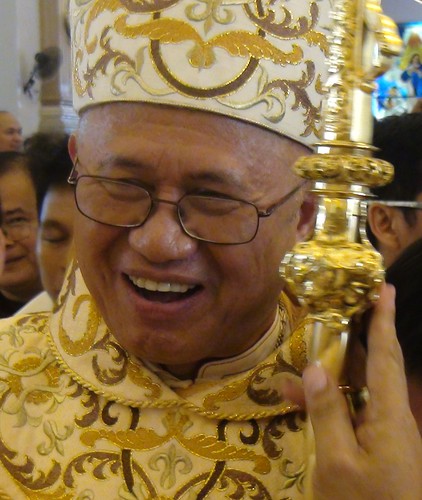
Pope appoints Archbishop Antonio Tagle as Cardinal

Archbishop Tagle of Manila

We will be having our 7th Cardinal, Archbishop Luis Antonio Tagle of Manila.

Deo Gratias!


CBCP NEWS

MANILA, Oct. 24, 2012— Pope Benedict XVI has appointed Manila Archbishop Luis Antonio Tagle as the Catholic Church’s newest cardinal.
The pontiff elevated Tagle, head of the Philippines’ largest archdiocese, to the College of Cardinals along with 5 other archbishops from different countries.
During the general audience in St. Peter’s Square, Benedict XVI announced that he will hold a consistory on November 24 to formally elevate the six new cardinals.
“The Cardinals have the task of helping the Successor of Peter in the performance of his ministry of confirming the brethren in the faith, and the principle and foundation of unity and communion of the Church,” the pope said.
He will now be the country’s seventh cardinal joining the line of retired Archbishop Gaudencio Cardinal Rosales of Manila and Ricardo Cardinal Vidal of Cebu.Other Filipino cardinals who already passed away include Rufino Cardinal Santos, Julio Cardinal Rosales, Jaime Cardinal Sin and Jose Cardinal Sanchez.
At 55, Tagle will be the world’s youngest cardinal. The oldest living cardinal, following the death of Cardinal Mayer in 2010, is Ersilio Tonini, 98, the Archbishop Emeritus of Ravenna-Cervia.
Tagle along with other Filipino bishops is currently in Rome for the ongoing Synod of Bishops for New Evangelization.
A cardinal is a senior ecclesiastical official in the Roman Catholic Church, ranking just below the Pope and appointed by him as a member of the College of Cardinals during a consistory.
The duties of the cardinals are to attend the meetings of the Sacred College and to make themselves available individually if the pope desires their counsel.
Cardinals also have additional duties either leading many of the church’s dioceses and archdioceses or running the Roman Curia.
The most important function of Cardinals in the Church is to elect the Roman Pontiff who usually comes from their rank.
Tagle has been serving as the 32nd archbishop of Manila only since last December, succeeding Rosales.
Born in Manila on June 21, 1957, Tagle took his Philosophy and Theology at the Ateneo De Manila University’s San Jose Major Seminary.
He was ordained to the priesthood on February 27, 1982, at the age of 25.
From 1985 to 1992, he was sent for further studies at the Catholic University of America in Washington D.C. where he earned his Doctorate in Sacred Theology.
Since 1997, Tagle has been a member of the International Theological Commission of the Vatican. In 1998, he was as an expert at the Special Assembly of the Synod of Bishops for Asia that took place in Rome.
On December 12, 2001, he was ordained Bishop of Imus. Since then, he has been engaged in many activities. He travels throughout the country in answer to many invitations as a speaker.
At the Synod of Bishops held in Rome in 2005, he was elected member of the post-synodal Council and assistant to Cardinal Angelo Scola, general reporter of this Synod.
Tagle is currently the chairman of the Commission on Doctrine of the Faith of the Catholic Bishops’ Conference of the Philippines. (RL/CBCPNews)

Thursday, October 11, 2012

Pastoral Letter on the Year of Faith (English)

My dear Brothers and Sisters in Christ,

Pope Benedict XV, in his Apostolic Letter Porta Fidei, announced a Year of Faith that will begin on October 11, 2012 and conclude on November 24, 2013, the Solemnity of Christ the King.  The whole Church is invited to celebrate the precious gift of faith, to receive it again and to transmit it joyfully.  Our beloved Archdiocese of Manila is one with the Church worldwide in welcoming the Year of Faith.


The Rationale for the Year of Faith


The date of the opening of the Year of Faith was chosen carefully.  It also partly explains the Pope’s intentions.  October 11, 2012 marks the fiftieth anniversary of the opening of the Second Vatican Council (1962) and the twentieth anniversary of the promulgation of the catechism of the Catholic Church (1992).  The significance of these two events determines considerably the spirit of the Year of Faith.

In our time, the Second Vatican Council is the great moment of renewal in faith.  Blessed John XXIII desired that through the Council “the Church will become greater in spiritual riches and gaining the strength of new energies therefrom, she will look to the future without fear.”  The renewal of the Church comes from a rediscovery of its spiritual heritage.  By ‘renewal’ Vatican does not mean the emergence of a totally new Church that is cut off from the past.  A proper interpretation of the Council does not allow a view of the “post-Vatican II Church” that disparages and “corrects” the “pre-Vatican II Church” by disregarding the Tradition, simplistically exalting what came after the council as good and criticizing what went before it as bad.  Neither does a proper hermeneutic of Vatican II allow the reverse that is, judging the “post Vatican II Church” as a deviation from the Apostolic Faith as though the true Church stopped existing after Vatican II.  A mere glance at the sources used in the sixteen documents of the Council shows that there exists a profound continuity in the Church, the continuity of faith assured by the Holy Spirit.  The Year of Faith invites us to study again the Second Vatican Council and the Catechism of the Catholic Church that is its fruit in order to rediscover the vitality of the faith we have inherited.

Aside from celebrating Vatican II and the Catechism of the Catholic Church, the Year of Faith invites us to look closely at the contemporary world, its beauty and wounds.  The continuity of the Church through the ages allows various forms of renewal.  The Church receives, celebrates and lives the faith in different historical settings with their unique demands and challenges.  Vatican II is one such renewal, engaging the phenomena that make up the modern world.  Within the Year of Faith a Synod of Bishops will be convoked to reflect on the New Evangelization.  In a span of fifty years after Vatican II, the world has seen dramatic changes that pose new challenges, even threats, to faith and its transmission.  The Philippines, specifically the area covered by the Archdiocese of Manila, is not exempt.  But we also believe that the contemporary world, especially the youth and the poor, expresses its search for God in ways that the Church must also discover.  Thus the Year of Faith invites us to listen to the deep cries and aspirations of the people and societies of our time so that we can proclaim Jesus Christ to them with new methods, new expressions and new fervor.  It is a year of listening and mission as well.

The Dynamics of Faith and the Year of Faith


Faith is a dynamic reality.  God initiates a relationship with us.  God opens the door of faith, to a life of communion with the Father, the Son and the Holy Spirit.  This life-long encounter and intimacy with the Triune God happens within the Church.  The Church is a community of faith, a fruit and an agent of faith and a missionary of the Gospel in the world.

As we immerse ourselves in the faith of the Church and its mission in our world in this Year of Faith, we are called to engage in an integral development in faith with the following components:

a) A deeper understanding of what we believe in through an intensified Biblical apostolate program, review of documents of Vatican II and teachings emanating from it like the Second Plenary Council of the Philippines and the Second Provincial Council of Manila and the Catechism of the Catholic Church,

b) A renewed appreciation and celebration of the mystery of the faith in sacrament, liturgy and prayer,

c) A joyful living of the faith expressed especially through conversion, a moral life governed by justice and charity, solidarity with and service of the poor, and courageous witness to what we believe in,

d) A rediscovery of ecclesial communion where the diverse gifts of the Holy Spirit are offered and developed to strengthen the Church and serve its mission here and even abroad.

We believe that as Christians we are urged on by the love of Christ to help construct a world of truth, justice, harmony and peace.  The Year of Faith also opens for the Church in the Philippines a nine-year preparation for the commemoration of the 500th anniversary of the arrival of the Christian Faith on our shores.  With Mary as our model and guide, let us welcome the Year of Faith in the Archdiocese of Manila and trust that it would bear much fruit for the Church and for humanity.

Given on 28 September 2012, Memorial of san Lorenzo Ruiz de Manila and companions.


(signed)
+ Luis Antonio G. Tagle
Archbishop of Manila

Liham Pastoral sa Pagdiriwang ng Taon ng Pananampalataya (Pastoral Letter in Tagalog)

Mga minamahal na kapatid kay Kristo,


Ipinahayag ni Papa Benito XVI sa kanyang Liham Apostoliko Porta Fidei ang Taon ng Pananampalataya na pasisimulan sa ika-11 ng Oktubre 2012 at magtatapos sa ika-24 ng Nobyembre 2013, ang Dakilang Kapistahan ni Kristong Hari. Inaanyayahan ang buong Simbahan na ipagdiwang ang natatanging kaloob ng pananampalataya, na muli itong tanggapin at maligayang ipahayag at ibahagi. Ang minamahal nating Arkidiyosesis ng Maynila ay nakikiisa sa Simbahan sa buong mundo sa pagsalubong sa


Ang Dahilan ng Taon ng Pananampalataya


Masusing pinili ang petsa ng pagbubukas ng Taon ng Pananampalataya. Ipinaliliwanag nito ang layunin ng Santo Papa. Ika-limampung anibersaryo ng pagbubukas ng Ikalawang Konsilyo Vaticano (1962) at ika-dalawampung anibersaryo ng pagpapasinaya sa Katesismo ng Simbahang Katoliko (1992) sa ika-11 ng Oktubre 2012. Ang kahalagahan ng dalawang pangyayaring ito ang nagtatakda ng diwa ng Taon ng Pananampalataya.

Sa ating panahon, ang Ikalawang Konsilyo Vaticano ang dakilang pagkakataon ng pagpapanibago ng pananampalataya. Ninais ni Beato Papa Juan XXIII na sa pamamagitan ng Konsilyo “umunlad ang simbahan sa yamang espiritwal at walang takot niyang tatanawin ang kinabukasan taglay ang sigla mula sa bagong sigasig na ibinunga nito.” Ang pagpapanibago ng Simbahan ay nagmumula sa muling pagtuklas ng kanyang mayamang pamanang espiritwal. Ang pagpapanibago na dulot ng Vatican II ay hindi nagbunga ng bagong Simbahan na walang ugnayan sa nakaraan. Upang matiyak ang tamang pag-intindi sa Konsilyo, dapat iwasan ang pagturing sa “simbahan pagkatapos ng Vatican II” (Post-Vatican II Church) na tila humahamak at nagtutuwid sa “simbahan bago ang Vatican II” (Pre-Vatican II Church) sa pamamagitan ng pagsasantabi sa Tradisyon, na tila baga ang lahat ng pangyayari matapos ang Konsilyo lamang ang dapat ituring na mabuti samantalang ang mga nauna dito ay masama. Hindi rin tama na ituring ang Vatican II bilang paglihis sa Pananampalatayang Apostoliko na tila ba huminto sa pag-iral ang tunay na Simbahan pagkatapos ng Vatican II. Ang bahagyang pagsulyap sa sanggunian (footnotes) ng labing-anim na dokumento ng Konsilyo ay nagpapaliwanag na may tiyak na pagpapatuloy ng Simbahan sa kasaysayan, ang pagpapatuloy ng pananampalataya na ginagabayan ng Banal na Espiritu. Hinihimok tayo ng Taon ng Pananampalataya na muling pag-aralan ang Ikalawang Konsilyo Vaticano at ang bunga nitong Katesismo ng Simbahang Katoliko upang matuklasan muli ang sigla ng pananampalataya na minana natin.

Bukod sa pagdiriwang ng Vatican II at Katesismo ng Simbahang Katoliko, inaanyayahan din tayo ng Taon ng Pananampalataya sa masusing pagsiyasat sa makabagong mundo kasama ang kagandahan gayundin ang mga sugat nito. Tinatanggap, ipinagdiriwang at isinasabuhay ng Simbahan ang pananampalataya sa iba’t ibang kalagayan ng kasaysayan kasama ang mga bukod-tanging mithiin at hamon nito. Ang pagpapanibagong pinasimulan ng Vatican II ay nagsasaalang-alang sa nagaganap sa makabagong panahon. Sa loob ng Taon ng Pananampalataya, pupulungin ang Sinodo ng mga Obispo upang pagnilayan ang Bagong Ebanghelisasyon. Makaraan ang limampung taon pagkatapos ng Vatican II, nasaksihan ng mundo ang maraming pagbabago na nagtatakda ng mga bagong hamon at banta sa pananampalataya at pagpapahayag nito. Hindi ito lingid sa Pilipinas lalo na ang mga lugar na nasasakop ng Arkidiyosesis ng Maynila. Ngunit naniniwala rin tayo na ang kasalukuyang mundo, lalo na ang mga kabataan at mga dukha, ay nagpapahayag ng malalim na paghahanap sa Diyos na dapat tuklasin ng Simbahan. Samakatuwid ang Taon ng Pananampalataya ay paanyayang pakinggan ang hinaing at mithiin ng mga tao at ng lipunan sa ating panahon upang maipakilala si Hesukristo sa kanila gamit ang mga makabagong pamamaraan, pagpapahayag at sigla. Ito ay taon ng pakikinig at taon ng misyon din.


Ang Pagkilos ng Pananampalataya at ang Taon ng Pananampalataya


Buhay at kumikilos ang pananampalataya. Naghahandog ang Diyos ng tipanan at ugnayan sa atin. Nagbukas ang Diyos ng pintuan ng pananampalataya, tungo sa buhay ng pakikipagkaisa sa Ama, Anak at Espiritu Santo. Ang panghabambuhay na pakikipagtagpo at pakikipag-ugnayan sa Banal na Santatlo ay nagaganap sa loob ng Simbahan. Ang Simbahan ay pamayanan ng pananampalataya, ang bunga at tagapaghatid ng pananampalataya at tagapagpahayag ng Mabuting Balita sa mundo.

Sa pagbabad natin sa pananampalataya ng Simbahan at sa kanyang misyon sa mundo ngayong Taon ng Pananampalataya, hinahamon tayong makilahok sa ganap na pagpapaunlad ng pananampalataya na may mga sumusunod na sangkap:

a) Mas malalim na pag-unawa sa mga sinananampalatayan natin sa pamamagitan ng pinag-ibayong programa ng apostolado sa Bibliya, pag-aaral ng mga dokumento ng Vatican II at ng mga katuruan na ibinunga nito tulad ng Ikalawang Konsilyo Plenaryo ng Pilipinas, Ikalawang Konsilyo Probinsiyal ng Maynila at ang Katesismo ng Simbahang Katoliko,

b) Pinanibagong pagpapahalaga at pagdiriwang ng misteryo ng pananampalataya sa pagdiriwang ng liturhiya, ng mga sakramento at sa panalangin

c) Masayang pagsasabuhay ng pananampalataya sa pamamagitan ng pagbabagong buhay, isang tuwid na buhay na pinaghaharian ng katarungan at pag-ibig, pakikiisa at pagmamalasakit sa mga dukha at matapang na pagpapatotoo sa ating pananampalataya,

d) Muling pagtuklas ng pagkakaisa sa Simbahan kung saan ang iba’t ibang kaloob ng Espiritu Santo ay inihahandog, ibinabahagi at nililinang upang itaguyod ang Simbahan at paglingkuran ang misyon nito sa ating bayan at sa ibang bansa.

Naniniwala tayo na bilang mga Kristiyano pinakikilos tayo ng pag-ibig ni Kristo na magtaguyod ng isang mundo na pamamayanihan ng katotohanan, katarungan, pagkakaisa at kapayapaan.  Pinasisimulan din ng taon ng Pananampalataya ang siyam na taong paghahanda ng Simbahan sa Pilipinas para sa ika-limang daang anibersaryo ng pagdating ng Pananampalatayang Katoliko sa ating bayan. Kasama si Maria bilang huwaran at gabay, salubungin natin ang Taon ng Pananampalataya sa Arkidiyosesis ng Maynila at manalig na mamumunga ito nang sagana para sa Simahan at sa sangkatauhan.

Ibinigay ngayong ika-28 ng Setyembre 2012, Paggunita kay San Lorenzo Ruiz ng Maynila at mga kasamang martir.


(signed)
+Luis Antonio G. TagleArsobispo ng Maynila 

Monday, July 30, 2012

Statement of CBCP president Archbishop Jose S. Palma D.D. on RH Bill


Every birth is a gift from God; every new life, a blessing; every birth a cause for rejoicing and praising God who creates new life only out of love.
Our country’s positive birth rate and a population composed of mostly young people are the main players that fuel the economy. A fact that even the government itself acknowledges as it is determined to feed, educate and keep the young people healthy.
And rightly so, for even our Constitution acknowledges that human resource is a primary social and economic force.
Earlier this year, the Bangko Sentral ng Pilipinas reported that the hard earned salaries of overseas Filipino workers (OFWs) that were sent to their families for the first 11 months last year amounted to $18.3 billion, which is a 7.3 percent increase in the same period in 2010.
Filipino men and women who endure the travails of working on foreign soil play a significant role in propping up our economy.
The country’s robust population is a big boost to our economy, according to former US President Bill Clinton, local and international financial institutions and the public sector.
It is therefore quite disturbing when the country is told that having too many school children is a burden to the national budget.
Can we have enough of schooled, skilled, diligent and highly driven young people who are a driving force of economic progress?
The draconian population control policy of the Reproductive Health (RH) Bill would only curtail our economic growth. The problem of countries with former robust economies is the lack of young workers for their industries and inadequate support for their aging population.
The issue on maternal deaths is a serious concern. The solution does not lie in suppressing births as provided in the RH Bill.
Providing proper and adequate maternal care could be done without passing the RH bill, but by strengthening and improving access to existing medical services.
There is an ill portent for the nation when government does not look at its own population as a source of grace and blessing.
There is a grave reason to worry when government would rather suppress population through an RH bill instead of confronting the real causes of poverty.

+ JOSE S. PALMA, DD
Archbishop of Cebu
President, Catholic Bishops’ Conference of the Philippines
30 July 2012

Saturday, June 2, 2012

Bishop dares Congress to approve FOI bill


Manila Auxiliary Bishop Broderick Pabillo


MANILA, June 2, 2012—A Catholic bishop has lauded the Senate Committee on Public Information for sponsoring a committee report consolidating the Freedom of Information (FOI) Bill, and challenged the House of Representatives to do the same.
“This action was something commendable, it means that the issue of the FOI bill has improved in the Senate,” Manila Auxiliary Bishop Broderick Pabillo said during the General Assembly of the Kilusang 99% at the CBCP compound in Intramuros, May 31.
On May 29, the Senate Committee on Public Information headed by Senator Gregorio B. Honasan II has submitted the FOI bill to the plenary for deliberations.
“I hope that the House of Representative will also initiate the approval of FOI’s bill,” added Pabillo, who is also Chairman of the National Secretariat for Social Action – Justice and Peace of the Catholic Bishops’ Conference of the Philippines (NASSA-CBCP) and convener of “Kilusang 99%”.
Pabillo said the FOI bill will help resolve the issue of alleged “lack of transparency” among government officials as was the case of the ousted Chief Justice Renato Corona.
The controversial bill, however, did not pass during the 14th Congress due to lack of interest among members of Congress.
Kilusang 99%, a social reform movement consists of more than 80 member organizations and some well-known individuals also commended the initiative of the Senate to push the passage of information bill.
“In behalf of the K99 movement, we praised the Senate Committee on Public Information for keeping intact a progressive, pro-people FOI bill,” said Ambrosio ‘Bong’ Palad, Philippine Airlines Employees' Association (PALEA) National Secretary and K99 Movement Co-Convenor.
Member organizations of the K99 movement are hoping the FOI could help lessen the corruption in the country, Palad said in an interview.
Meanwhile, the coalition “Right to Know. Right Now!” urged Eastern Samar Rep. Ben Evardone, Chairman of the House Committee on Public Information, to resolve the remaining issues on FOI and submit the committee report for plenary action.
Pabillo, together with the group, also called on House Speaker Feliciano "Sonny" Belmonte Jr. to stand on the side of the people and include the passage of the FOI bill in the congress.
“We are challenging the House of the Representatives to do their part. If we really want this transparency, approved the FOI bill,” Pabillo said. [Yen Ocampo]

Wednesday, May 30, 2012

CBCP head: Impeachment over, it’s time to move on

Catholic Bishops Conference of the Philippines president, Cebu Archbishop Jose Palma.